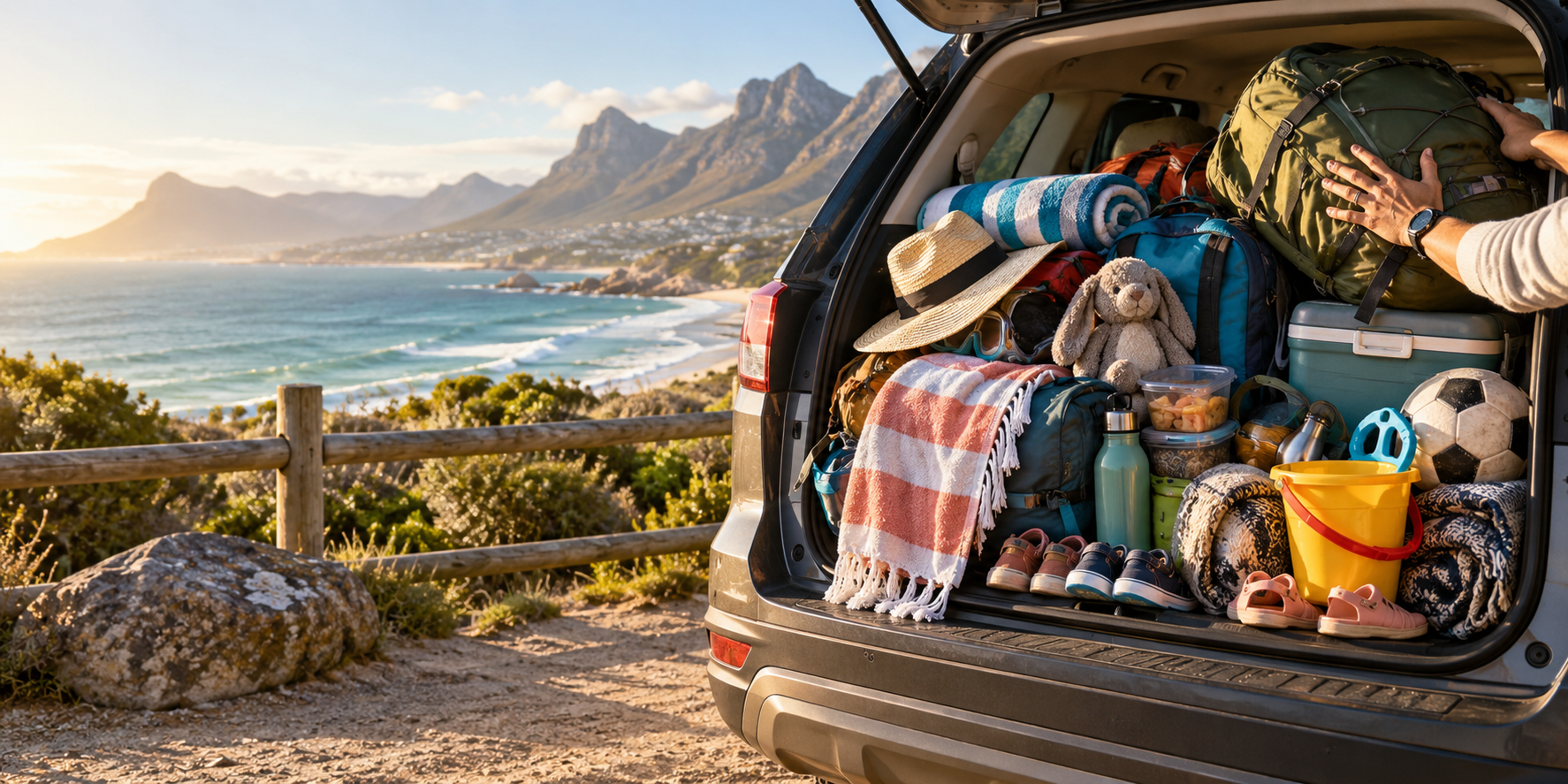
Road trips are magical.
They are also a test of patience.
Preparation is everything.
There’s a lovely idea of a family road trip: the open road, a good playlist, happy children looking out of the window.
Then there’s getting everyone into the car.
One child can’t find their favourite soft toy. Another is still asking if the dogs can come with. Someone has packed a bag containing seven soft toys and no clothes. Your husband is dawdling by the front door laughing at something at a video on Instagram. And you’re standing at the car trying to remember that this is supposed to be fun and exciting.
By the time you leave, you’ve done enough organising to host a small international conference.
Still, we go. Because somewhere along the way, there’ll be a ridiculous conversation, a beautiful view or a moment when everyone’s laughing at the same thing. And you’ll remember why you wanted to do this.
Getting organised beforehand helps. It won’t stop anyone complaining that their sibling is looking at them, but it might mean you can find the wipes when you need them.
So here’s a family road trip packing list for the journey and an overnight stop.
This post may contain affiliate links. If you buy through them, Adventure Life Co may earn a commission at no extra cost to you.
First, Think About What You’ll Need Before You Arrive
It’s tempting to pack until everything fits, shut the boot and consider that a personal victory.
Fair enough. But where are the spare clothes?
If the answer is “under the big suitcase, behind the scooter”, good luck with that.
Split your packing into three groups:
- Things for the drive: water, activities, wipes, spare clothes and enough food to feed everyone for a week.
- Things for the first night: pyjamas, toiletries, clean outfits and whatever your children refuse to sleep without.
- Things for the rest of the holiday: everything you won’t need until you’ve properly arrived.
Keep the journey bag easy to reach, this generally means at the front passenger drivers feet, within easy reach during the journey.
Your brain has enough tabs open.
Our Family Road Trip Packing Checklist puts the car essentials, kids’ bags, snacks and overnight bits in one place. Print it, share out the jobs and tick things off as they go into the bags.
1. Car Essentials: Deal With the Easy Complaints First
You can’t do much about “she’s breathing near me”. You can do something about being cold, thirsty or covered in something sticky.
Start with:
- Correctly fitted car seats or boosters.
- Filled, leak-resistant water bottles.
- Light blankets and a small pillow.
- Wipes, tissues and a small rubbish bag.
- Sunglasses and hats for stops.
- Phone chargers and the right cables.
- Downloaded directions and accommodation details.
- First-aid supplies and usual prescribed medicines, stored safely.
Keep spare clothes where you can actually find them
Pack a complete change for each child, including socks and underwear, plus a bag for wet or dirty clothes.
For babies and toddlers, add nappies, changing supplies and the feeding things you normally use.
If anyone tends to feel queasy, keep clean-up supplies handy and leave room for extra stops. Activities that involve looking down won’t suit every child.
And consider a spare top for yourself. Parents have a habit of becoming involved in spills they didn’t cause.
2. Give Each Child Their Own Activity Bag
Sharing is a lovely skill. A long car journey is quite a demanding place to practise it.
Give each child a small bag with a handful of things they enjoy:
- A colouring book.
- Crayons or pencils in a zipped pouch.
- Stickers or a reusable sticker book.
- A puzzle book suited to their age.
- A small notebook.
- A favourite soft toy.
- Downloaded stories or music.
- Headphones, if they use them comfortably.
Use things you already have. You don’t need to buy an entirely new childhood for a four-hour drive.
Think carefully about loose pieces. Anything tiny enough to disappear under a seat probably will, and it will immediately become the most important object your child has ever owned.
Don’t hand everything out at once
Start with music, chatting or watching the scenery. Bring out an activity when they’re ready for something else.
Try spotting games, making up silly stories or choosing names for the cows you pass. There’s usually at least one that looks like a Brenda.
Some quiet time is fine, too. You don’t need to fill every minute as though the children have booked you for a private entertainment package.
What about headphones?
Headphones can be useful when one child wants an audiobook and another wants a song on its 38th consecutive play.
Something to do between asking how much longer.
Our Kids’ Road Trip Activity Pack includes travel bingo, spotting games, drawing prompts and simple journal pages. Pick the pages your children will enjoy and tuck them into their bags.
3. Snacks: Apparently Breakfast Was a Long Time Ago
Something about getting into a car makes children hungry.
They may have eaten ten minutes ago. They may still have toast on their face. It makes no difference.
Pack enough for the journey, plus a LOT extra. Stick to familiar food you know they’ll eat.
A few easy options:
- Sandwiches or wraps.
- Fruit prepared appropriately for their ages.
- Crackers.
- Muffins.
- Cheese or yoghurt kept properly chilled.
- Finger foods like rice cakes, raisons, viennas.
- Water.
- Something decent for you, so lunch isn’t whatever they leave behind.
Keep perishable food chilled with ice or frozen packs. Plan snack and meal stops, especially for younger children, so they can eat upright with supervision.
Divide the food before you leave
Separate containers make it easier to see what’s left and hand things out at stops.
Keep some food aside for later rather than opening the entire supply at the first opportunity. Otherwise, you may discover that the emergency snacks have been eaten during the emergency of being slightly bored.
Is a cooler worth packing?
If you’re taking chilled food, a suitable cooler gives it a proper home and saves you buying every meal along the way.
You’ll still need stops for rest, toilets and a stretch. Packing food just means every stop doesn’t also require buying enough snacks to cater for a school outing.
4. Pack One Overnight Bag. Tired You Will Appreciate It.
Imagine arriving at your overnight stop. It’s getting late, everyone’s tired, and one child is asleep.
Now imagine opening three suitcases to find a toothbrush.
A separate overnight bag saves a lot of rummaging. Put everything you need for that evening and the next morning together:
- Pyjamas.
- Clean clothes, underwear and socks.
- Toothbrushes and toiletries.
- Nappies or other bedtime supplies.
- Chargers.
- Comfort toys and a bedtime book.
- A bag for yesterday’s clothes.
Load it where it can come out first.
This works even if you’re driving straight to your destination. You can get everyone settled without immediately spreading the contents of the boot across the accommodation.
Packing cubes can help with the smaller bits
Separate clothes by person, or put complete outfits together. Bags you already own will do the job.
5. Pack Something for Yourself, Please
You’ve remembered the favourite blanket, the backup blanket and the soft toy that apparently can’t be expected to travel without its own blanket.
Have you packed your sunglasses?
It’s easy to spend so much time sorting everyone else out that your own things get shoved into a bag at the last minute.
Give yourself a little space on the list:
- Lip balm and hand cream.
- Sunglasses.
- A water bottle.
- A travel mug with a secure lid.
- A snack you actually like.
- An extra layer.
- Your charger.
- A book or journal for stops and downtime.
Bring something you’re looking forward to using. You might only read three pages, but they can be three very nice pages.
“Pack your own favourite snack. You deserve better than half a sandwich someone has changed their mind about.”
6. Leave Time to Get Out of the Car
The map’s arrival time is a useful starting point. It has not met your children.
Plan places to stop for toilets, food and a bit of movement, and allow extra breaks when anyone needs one. The driver needs proper rest, too.
You don’t need to turn each stop into an outing. A short walk or somewhere to sit outside can be enough.
Sometimes a quick break becomes one of the nicest bits of the trip. Someone finds a funny-looking rock. There’s a beautiful view. Everyone gets back in feeling a little more human.
If you’d like help choosing a manageable trip, try How to Plan a Weekend Adventure Without Stress.
7. Before You Leave, Do One Last Check
Keep this part short. By now, someone is probably already buckled in and asking why you’re taking so long.
- Car seats checked and luggage secure?
- Water and food packed?
- Essential medicines and personal items with you?
- Wipes and spare clothes easy to find?
- Comfort toys physically in the car?
- Chargers packed and downloads ready?
- Overnight bag accessible?
- Route, fuel and possible stops checked?
- Driver rested and ready?
- Your own things packed?
That comfort-toy check is worth doing properly. “I thought you had it” is a conversation best avoided once you’re an hour down the road.
A Few Questions That Come Up When Packing
What should I pack for a long road trip with kids?
Start with suitable car seats, water, food for stops, spare clothes, wipes, essential medicines and a few activities. Add comfort items and an overnight bag if you’ll need one. Once those are covered, think about your children’s particular needs rather than packing everything you own.
How do I keep the car organised?
Give things an obvious place: one activity bag per child, one clean-up bag and a separate food bag or cooler. Empty rubbish at stops. The car may still look well travelled by the end, but you’ll have a better chance of finding things.
How many activities do we need?
A few reliable favourites are a good start. A colouring book, stickers, a story to listen to and a comfort toy might be plenty for a shorter drive. Bring more for longer journeys, but remember you can repeat things they enjoy.
How do I avoid overpacking?
Check the weather, your plans and what the accommodation provides. Pack useful spares, especially for younger children, but pause before adding things for wildly unlikely scenarios. If you haven’t used it at home in six months, it probably doesn’t need to come to the coast.
And Then, Off You Go
There’ll probably still be an argument. Someone may announce they need the toilet just after you’ve passed a perfectly good one. The carefully chosen activity might get less attention than a receipt they found in the door pocket.
That doesn’t mean you packed badly. It means you brought children.
Having the basics sorted simply makes the awkward bits easier to deal with. You can change the wet clothes, find the bedtime toy and get on with the trip.
And hopefully, somewhere between all of that, you’ll get the good bits: the silly conversations, the excitement of arriving somewhere new, the photo where nobody’s looking but everyone’s laughing.
You may get home exhausted, with a boot full of washing and crumbs in places crumbs shouldn’t be.
You may also find yourself saying, “We should do that again.”
Keep the list for next time.
Our Family Road Trip Bundle brings together a packing checklist, kids’ activity pages and a simple snack-and-stops planner. So the next time someone says “Let’s go away”, you won’t have to start from scratch.
Need a few ideas for where to go or what to try? Have a browse through our Family Adventure Bucket List and pick something that sounds fun for your family.
Leave a Reply